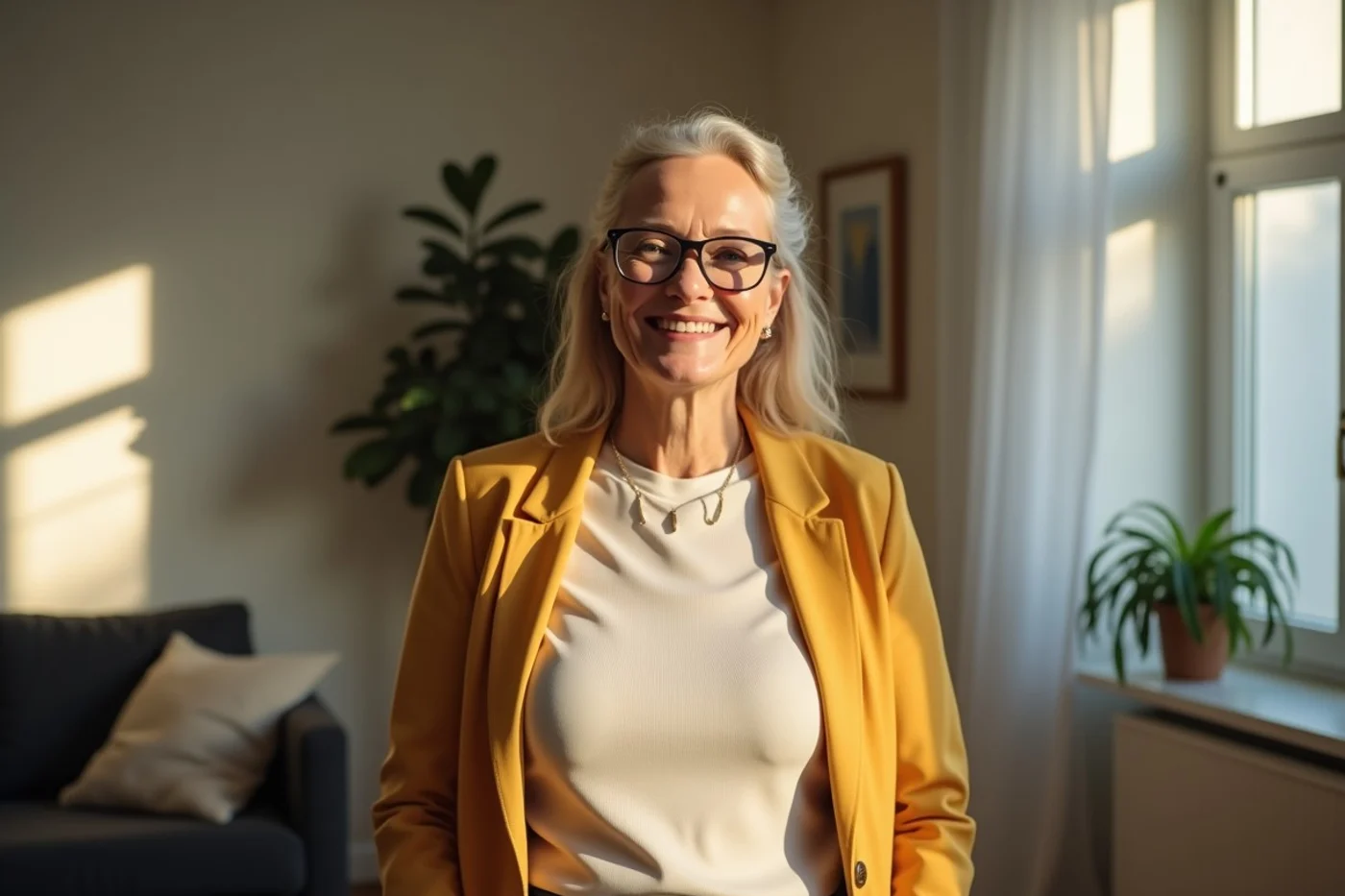
An appealing dating profile after 50 gives someone an accurate sense of your life, your relationship hopes, and a few reasons to speak to you. Write a short bio in your own voice, use current photos that show your face and everyday presence, and name the kind of connection you want. For example, a profile might mention enjoying a Saturday morning farmers market, having room in the week for dating, and hoping to build a steady relationship with an engaged, kind partner.
Published by Second Chapter Dating · Editorial standards
Start with the relationship you want and the life you actually live

Put the central facts in place before polishing a dating bio. State whether you are seeking a committed relationship, companionship that could grow, or another form of connection you can describe plainly. That information saves time for everyone. You do not need to explain your full dating history or defend why you are single.
Give a glimpse of the life a partner would be joining. Mention a work schedule if it affects when you are free, a regular routine you value, or how you like to spend weekends. Family can matter too, though broad context is enough: close to adult children, active with grandchildren, or settled in a community. Personal values belong here when they shape compatibility, such as faith, curiosity, generosity, or a preference for a quieter home life.
Keep the focus on the present. A profile is not a résumé of accomplishments, a list of credentials, or a complete account of a former marriage. Accurate details and a direct statement of intention offer a stronger picture than a long inventory of your past.
Build a bio that moves from personality to compatibility
A concise dating bio works best as a small progression. Open with something that conveys your temperament or daily rhythm. Follow it with two or three details that show what you enjoy and how you spend your time. Then name the qualities and relationship direction that matter to you. Close on an inviting detail connected to a real interest, giving a compatible reader something to respond to.
One short paragraph is usually enough. A bio with a warm opening, a few defining particulars, and a sentence about the connection you hope to build feels complete without demanding too much attention. Use familiar language. Formal declarations and inflated adjectives can make a person sound distant even when the intention is sincere.
Choose recent photos that make recognition easy

Photos should let a prospective date recognize you comfortably when you meet. Lead with a recent, well-lit image of your face, with a natural expression and no dark glasses or heavy filter. Include a current full-body photo as well. It answers a basic question openly and prevents your profile from feeling carefully edited.
A few additional pictures can show your ordinary life: cooking in your kitchen, attending a family-free outing, walking a familiar trail, working in a garden, or enjoying a hobby. An activity photo gives context, but it should not replace a clear view of you.
Older vacation images and formal event pictures may be flattering, yet they create an awkward first impression when they no longer reflect your appearance. Group shots pose a similar problem when a viewer has to work out who owns the profile. The small inconvenience of taking fresh photos is worth the confidence that comes from being represented accurately.
Replace generic claims with details that start conversations
Words such as active, fun, adventurous, and easygoing appear in many profiles because they are easy to claim and hard to picture. A concrete detail gives those words weight. Active could mean a three-mile walk before work, pickleball on Wednesday evenings, or taking the dog out in all but the heaviest rain. Adventurous might describe choosing a new regional museum on a free afternoon or planning a drive along a scenic route.
Preferences also reveal personality. Saying that you enjoy live music leaves many possibilities; mentioning a fondness for small venues where the conversation can still be heard tells someone more about the kind of evening you enjoy. The same applies to food, reading, travel, sports, and volunteering. Select details that are true, current, and easy for another person to connect with.
This approach also improves the section about compatibility. A person who likes a low-key Sunday dinner and an occasional day trip has offered a picture of shared time, not a vague claim about loving life. Specificity gives readers an opening while filtering out people whose routines or expectations do not fit yours.
Remove the profile habits that undermine trust or warmth
Grievance lists drain warmth from a profile. Complaints about dating apps, former partners, dishonesty, or people who disappointed you may be understandable, but they ask a stranger to enter a conflict before any connection exists. Leave former relationships out of the bio and reserve personal history for a later conversation.
Clichés, long demand lists, and unexplained contradictions create other problems. Claims such as drama-free or no games do not say what you value. A profile that says it seeks a serious relationship but also stresses having no time for one sends mixed signals. Intimate medical, financial, or family details also belong off the page.
Read the completed profile beside your photos. The tone and images should support the same person: current, open, and believable. Delete anything that sounds resentful, overly guarded, or unlike you in ordinary conversation.
A few details worth clarifying
Should I mention that I am divorced or widowed?
Mention it only if it feels important context for where you are now. A brief reference is enough. Your profile does not need an account of the marriage, loss, or legal process.
How much should I say about adult children or grandchildren?
A broad mention can show that family is part of your life. Avoid names, schedules, photographs of minors, and details that expose their privacy. Keep the profile centered on you and the relationship you are open to building.
Should I revise my profile after it is published?
Yes. Read it again after a few days, when you can hear where it sounds stiff, vague, or more guarded than you intended. Update photos whenever your appearance changes noticeably or your current images no longer represent your life.
Draft the bio in one sitting, then leave it alone overnight. The next day, cut one vague sentence, add one concrete detail from your week, and choose photos that show the person someone will actually meet.