
Choose two recurring activities that you would attend even if nobody there became a date. Classes, volunteer teams, walking groups, and community gatherings offer the best chances to meet singles over 50 because conversation grows through familiar contact, shared interests, and time. A packed one-night event can be enjoyable, but it rarely gives two people enough room to learn whether they genuinely connect.
Published by Second Chapter Dating · Editorial standards
Recurring activities create better opportunities than one-time events
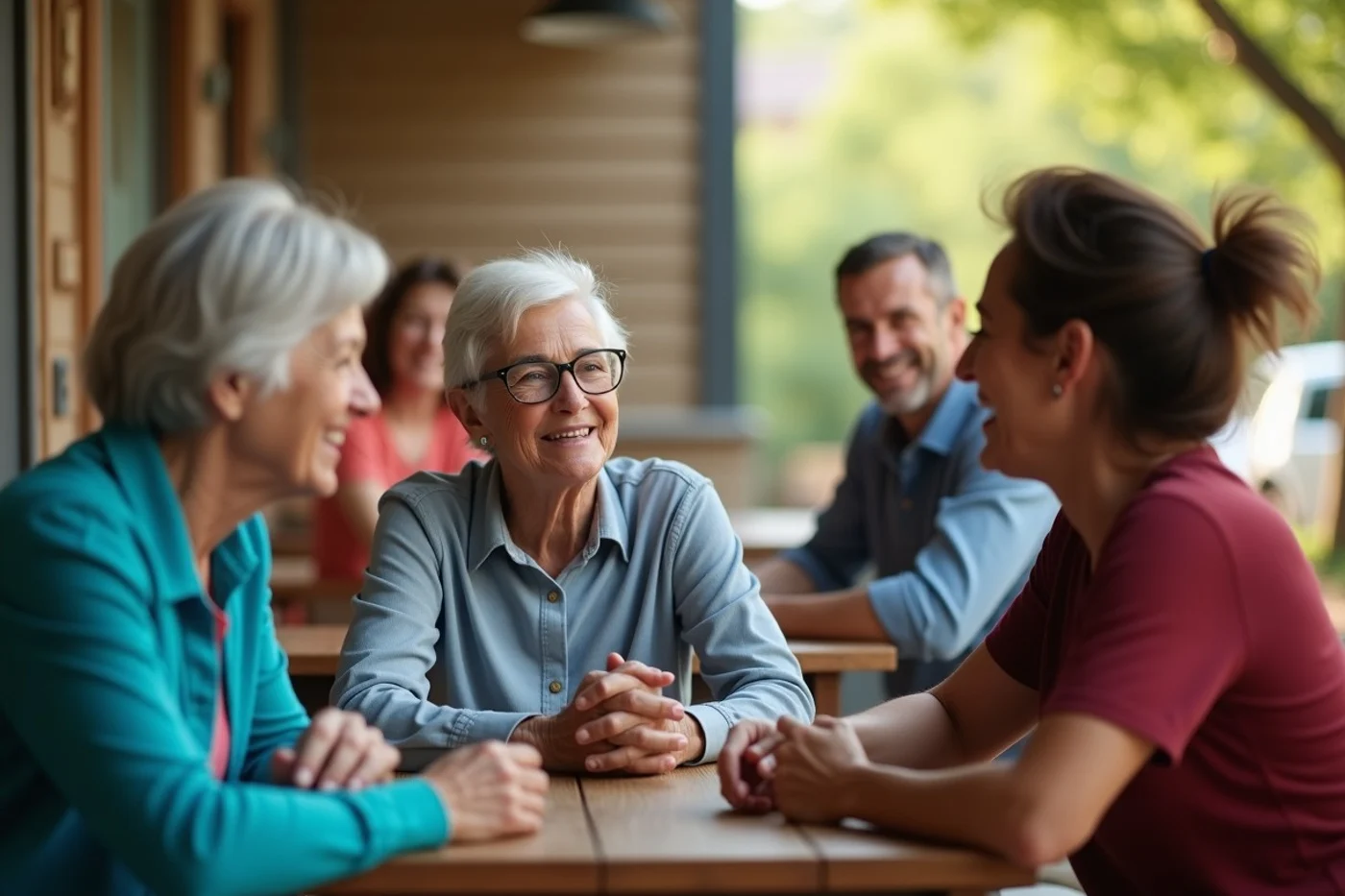
At a recurring event, people arrive with a little more ease each week. Names become familiar, a previous conversation provides an opening, and interest has time to reveal itself through ordinary behavior. You can see who participates warmly, follows through, includes others, or consistently seeks out your company. Those details say more than a quick exchange across a crowded room.
One-time mixers, lectures, and celebrations still have a place, especially when they center on an interest you enjoy. Their limitation is the compressed timeline: introductions compete with noise, logistics, and the pressure to make something happen immediately. When comparing activities, give the most weight to four things: repeat attendance, built-in conversation, a shared task or interest, and unhurried time before or after the main activity. Pick settings where each is present.
Classes and hobby groups make conversation part of the activity
A multi-week class gives people a reason to speak before anyone has to make a social overture. Cooking, painting, language study, book discussion, community education, theater workshops, and beginner dance classes all create natural subjects for conversation. The strongest formats include partner rotation, small-group work, breaks, or a few minutes for participants to compare notes.
Look beyond the class title. A lecture series may attract interesting people but offer almost no interaction. A workshop where everyone works silently can have the same limitation. Groups with an established inner circle also require more patience, though newcomers often find an opening by arriving early, staying briefly afterward, or offering help with a shared task.
Choose an activity you can discuss with genuine interest. Curiosity carries a conversation much farther than trying to present yourself as an expert. Over several meetings, a person who remembers what you mentioned, continues a topic, or chooses a seat nearby is giving you a reasonable basis to explore a more personal connection.
Volunteering, faith communities, and cultural organizations connect people through shared values

Service projects reveal how people show up for others. Regular shifts at a food pantry, community garden, museum program, neighborhood cleanup, or animal-care organization can put you alongside the same volunteers while everyone has something useful to do. The work also prevents conversation from feeling like an audition; it begins around the task and develops naturally.
Faith communities and cultural organizations add another layer of common ground through worship, heritage, music, learning, or community events. Smaller groups, committees, discussion circles, and service teams generally offer more contact than a large gathering where people leave immediately afterward.
These settings deserve respect for their central purpose. Join because the cause, community, or tradition matters to you, then remain open to meeting someone. The trade-off is that volunteer schedules and group responsibilities can limit private conversation at first. Consistent participation gives connections room to develop without turning the activity into a search operation.
Walking, fitness, and recreation groups offer low-pressure ways to become familiar
Walking groups are especially strong social settings because conversation happens side by side. The pace leaves room for talk, newcomers can join without special skill, and the gathering often has a natural beginning and end where people linger. Select a route and pace that feel comfortable enough for you to speak easily; strain and self-consciousness shut down the social part of the outing.
Recreation groups work best when the structure creates pauses. Casual golf leagues, pickleball sessions, bowling groups, cycling meetups with rest stops, and group fitness classes can all lead to acquaintance, provided participants rotate partners or spend time together before and after play. A highly competitive activity with fixed teams offers fewer openings.
Attendance matters more than making a strong first impression. Go often enough to become a recognized member of the group. Then pay attention to who stays to chat, joins the same segment of the activity, or readily continues a conversation from a prior week. Familiarity gives both people a chance to decide whether there is interest.
A familiar face can become a one-on-one invitation without forced flirting
After two or three warm conversations, move from group contact to a specific, low-stakes plan connected to something you have already discussed. Name a concrete activity, day, or time, such as coffee after the next class, a visit to an exhibit related to a shared interest, or a walk on a day the group does not meet. Specificity signals interest while giving the other person an easy way to respond.
An enthusiastic answer, a suggested alternative time, or a question that keeps the plan moving are encouraging signs. Vague replies that never become a plan, repeated postponements, or a clear statement of disinterest call for a graceful step back. Accept the answer once, remain courteous at the shared activity, and do not revisit the invitation. The strongest outcome is not a flawless approach; it is a respectful invitation that leaves both people comfortable returning to the group.
Review your calendar and choose one interest-based group plus one service, walking, fitness, faith, or cultural activity that meets regularly. Commit to attending each long enough to become known. That decision creates more opportunity than searching for a single perfect place to meet someone.