
The first date is on the calendar, but you do not need to reserve an entire evening to find out whether the conversation has potential. Plan for about 60 to 90 minutes as a flexible starting point. That window gives two people time to settle in, talk, and sense the connection without turning an uncertain first meeting into a demanding commitment. The format, your energy, and the quality of the interaction should shape what happens next.
Published by Second Chapter Dating · Editorial standards
Plan about an hour to 90 minutes as a flexible starting point

An hour can provide enough time to move past introductions and see how conversation develops. Extending the plan to 90 minutes gives the meeting more breathing room when both people are engaged, while still preserving a natural stopping point.
This time frame also protects the first date from carrying too much weight. You are gathering an impression, not completing an evening-long evaluation. A shorter meeting is not automatically a sign of weak interest, and a longer one does not establish compatibility. Start with a contained appointment and let the interaction earn more time.
Adjust the time to fit coffee, a walk, a meal, or an activity
Coffee usually suits a 30- to 60-minute meeting because either person can leave easily after one drink. A walk often works well for roughly 45 to 75 minutes, with natural pauses that let you finish without interrupting a formal reservation.
A meal carries a larger time commitment. Allow about 90 minutes or more, depending on the setting and pace, since leaving midway can feel abrupt. A scheduled activity should follow its own length; adding conversation before or afterward is optional. For a first meeting, activities with a clear endpoint usually create a better exit than plans that continue indefinitely.
Set an endpoint in advance while leaving room to continue
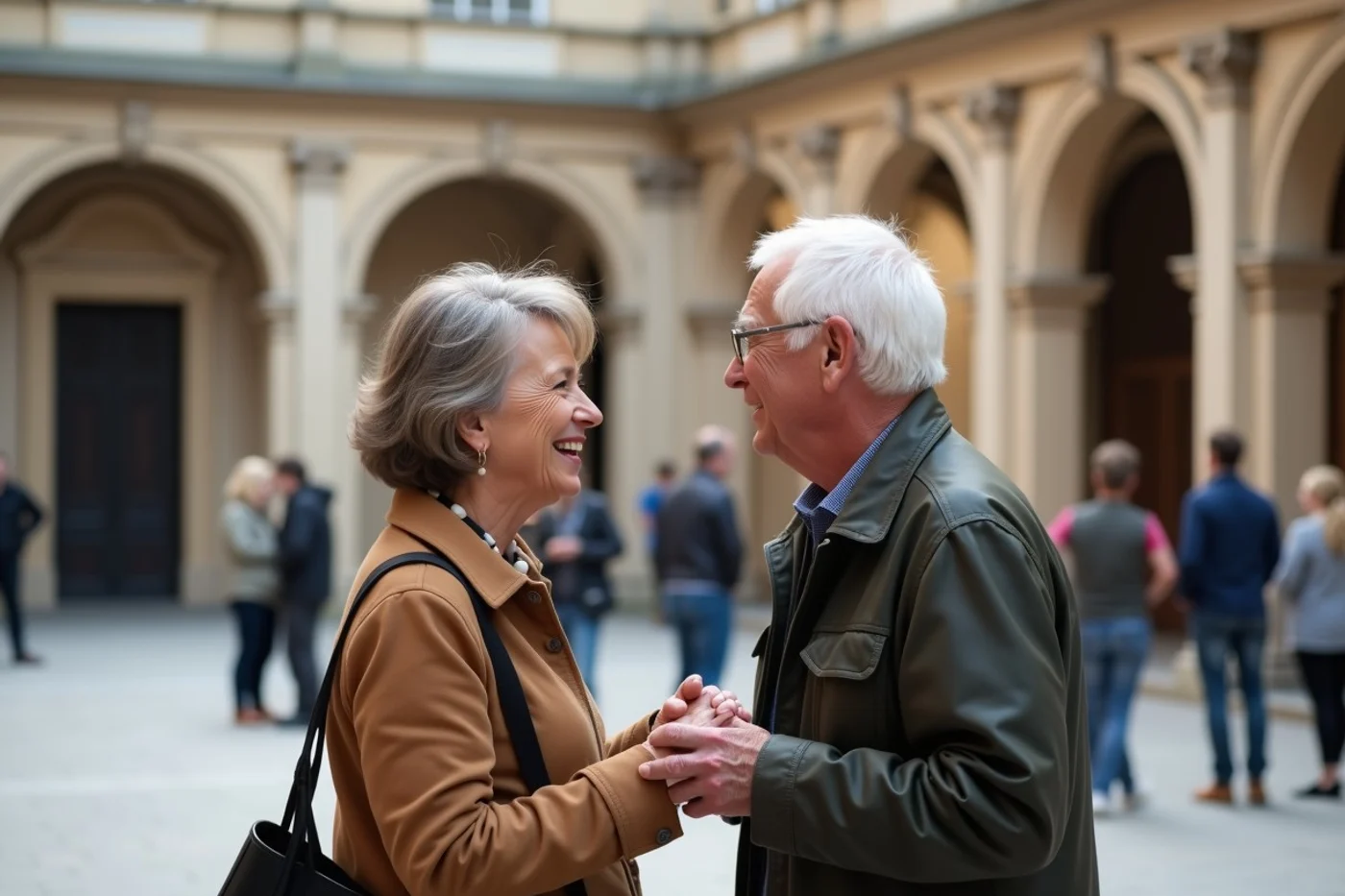
Put an approximate finishing time on the calendar before the date begins. Mentioning another obligation afterward gives the meeting a genuine boundary and prevents either person from wondering whether staying longer is expected. The obligation need not be dramatic; a prior appointment or an evening commitment is enough when it is true.
The endpoint can remain flexible. When conversation is lively, both people are comfortable, and the original plan was brief, a short second activity such as a walk after coffee can extend the meeting naturally. That choice works best when both people participate in it. One person should not have to negotiate against an already stated limit.
Keeping the original finish time is also a sound choice when interest is uncertain, energy is fading, or the format has begun to feel tiring. Ending as planned leaves room to reflect without turning politeness into an agreement to continue. The important distinction is between an extension that both people welcome and extra time that one person accepts out of pressure.
Use comfort, engagement, and energy to decide when to finish
| Situation | Continue | Finish |
|---|---|---|
| Conversation feels balanced and unforced | Both people ask questions, respond fully, and remain attentive. A modest extension can make sense when the original plan was short and energy remains steady. | Keep the endpoint if either person has another commitment or the agreed format has reached its natural close. |
| The exchange becomes tiring or one-sided | A brief pause or change of setting may help when both people still seem interested and the fatigue is temporary. | End the date at the planned time when answers grow clipped, attention wanders, or one person is doing most of the conversational work. |
| Interest is present but uncertain | Let the scheduled time stand and use the remaining minutes to finish on a courteous note. More time rarely resolves uncertainty by itself. | Thank the other person for meeting and state that you are ready to leave without offering an elaborate explanation. |
| You are ready to go | There is no need to prolong the meeting to avoid seeming unkind or to reach an arbitrary duration. | Close promptly, express appreciation for the time together, and leave. A first date can end courteously even when a second meeting is not under consideration. |
For the next first date, reserve a 60- to 90-minute block and choose a format with a visible endpoint. Before extending the meeting, check whether the interest and energy appear mutual; that small pause keeps extra time connected to genuine enthusiasm, not social pressure.