
An app can be a private way to test your interest in connection after a spouse dies, but its stream of profiles can also stir grief without warning. Online dating after widowhood works best as a limited, adjustable part of life: set a current relationship intention, reveal personal history on your terms, and reduce activity when it drains more energy than it gives back. For example, a widowed woman who lives forty minutes from the nearest city might use a modest local radius, exchange messages with one person at a time, and close the app after dinner to protect an established evening routine.
Published by Second Chapter Dating · Editorial standards
Dating apps can bring both hope and unexpected grief reactions
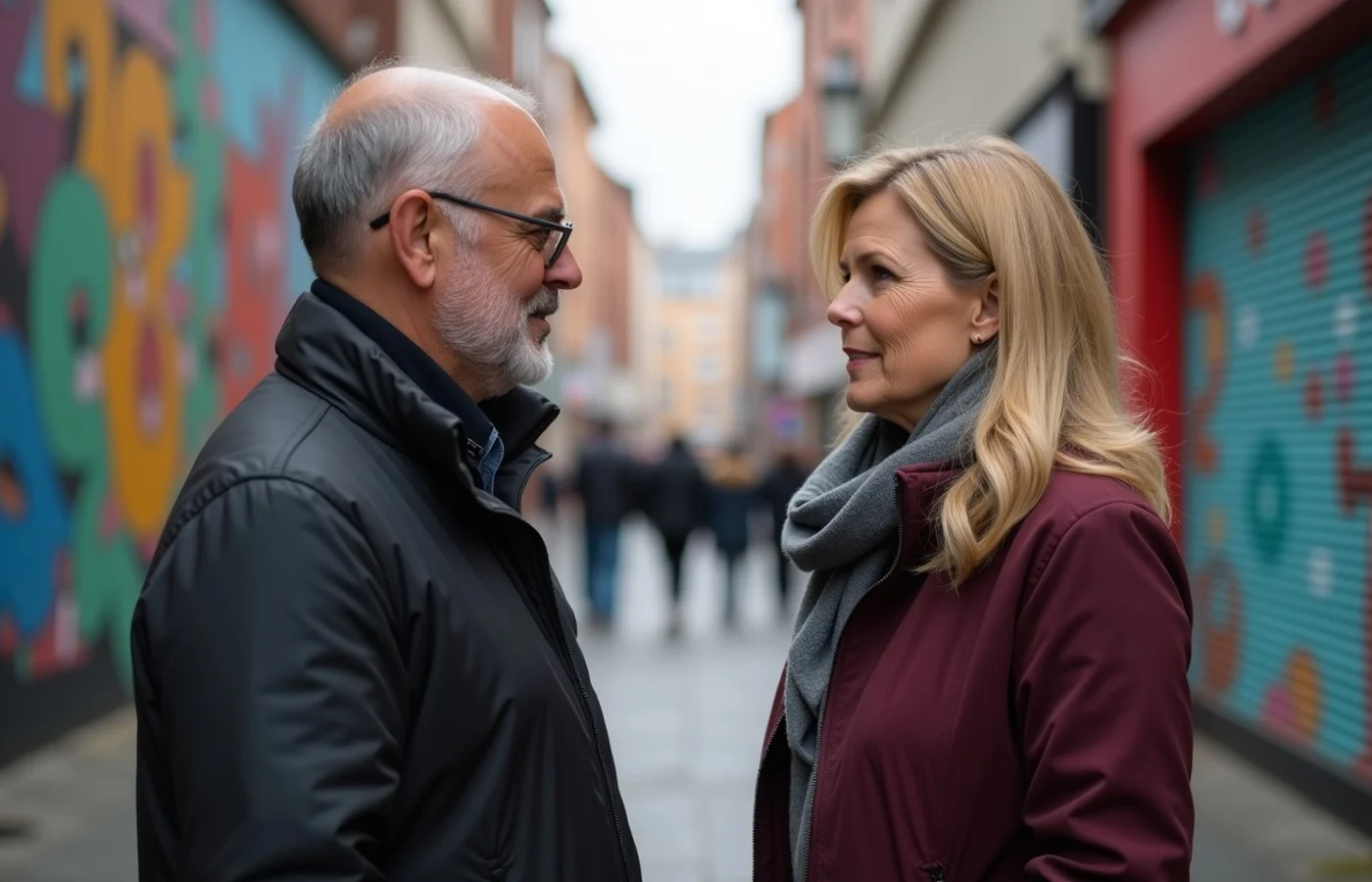
Hope often arrives alongside a pang of disloyalty. Seeing a profile that shares a familiar hobby, receiving a warm response, or picturing a future outing can produce genuine interest and then an immediate wave of sadness. An app compresses those shifts into a few minutes, which is why a quiet evening at home can feel different from browsing during a lunch break or after a familiar weekly ritual.
Both feelings can coexist.
A late spouse will naturally remain a point of reference. You may notice a voice, career, sense of humor, or way of living that feels unlike the person you lost. Comparison is information about your history, not a test a new match can pass. No new person needs to recreate a marriage, and no moment of enjoyment cancels its importance.
Some days, browsing will feel light; on others, a profile or question will bring grief close. Treat that reaction as a cue to slow down for the day, not evidence that joining an app was a mistake or proof that you must pursue it.
Set your app preferences around the relationship you want now
| Title | Text |
|---|---|
| Define your present relationship intention | Decide whether you are open to conversation, companionship that could grow, or a committed partnership. This choice gives the profile and match filters a direction without requiring you to predict the rest of your life. |
| Choose the closest relationship-intent setting | Use the available preference or profile field to reflect what you want now. A person seeking a serious relationship benefits from stating that early, while someone who is only ready to meet people can describe a slower, open-ended approach. |
| Set distance and age range from your actual routine | A broad radius looks promising until every conversation requires a long drive, difficult traffic, or a rearranged weekday. Include nearby towns only when meeting there would fit your transportation, work, and family routines. |
| Assign a communication pace before browsing | Choose how many active conversations you can sustain and when you will check the app. Turn off nonessential notifications if they pull you away from ordinary life. A measured pace gives each match enough attention without turning dating into a second job. |
Decide how much of your widowhood story belongs in your profile

Profile disclosures shape who contacts you, but widowhood does not have to be the first fact strangers see. Mentioning it can deter people who cannot handle a past marriage or who expect an immediate explanation. Leaving it out preserves privacy and lets interests, character, and current hopes lead. Either choice is honest, provided the profile does not imply a story that is untrue.
For someone who wants to name it, one brief line is enough: Widowed, grateful for a full life, and interested in getting to know someone with warmth and intention. Pair it with present-tense details such as work, friends, a Sunday routine, music, volunteering, or the kind of relationship sought. Save the history of the loss for a conversation that has earned more context.
Share your history in messages when trust and context support it
Messages provide a middle ground between a public profile and a first meeting. Share that you are widowed once a conversation has become consistent enough that the fact would help a match understand your life. For some people, that is early, after a few exchanges; for others, it comes when plans or personal history enter the conversation. Neither timeline requires a full account of the loss.
Respectful curiosity deserves a proportionate answer. Confirm the basic history, state how much you are comfortable discussing at this stage, and return attention to present interests. A person who presses for intimate details, treats your spouse as competition, or asks a crude question has supplied useful information about their judgment. End the exchange or state a boundary briefly; no defense of your past is owed.
Let emotional capacity determine the pace of matches and conversations
Dating apps create a false sense that every open conversation needs an answer now. Limit active matches to the attention you can give without neglecting work, family, friendships, sleep, and the private routines that still hold grief. One thoughtful conversation may be enough.
Emotional overload often appears as dread before opening the app, irritability at ordinary questions, compulsive checking, or a feeling that each profile must measure up to a memory. Reduce notifications, stop browsing for several days, or pause the account entirely. A pause is a decision about capacity, not a verdict on future partnership.
Let curiosity be the measure. When a match leaves room for your daily life and you feel interested after closing the app, continue at that pace.
Before opening the app again, decide how many conversations fit your life this week and give yourself permission to pause when that limit is reached. The governing constraint is emotional capacity.